
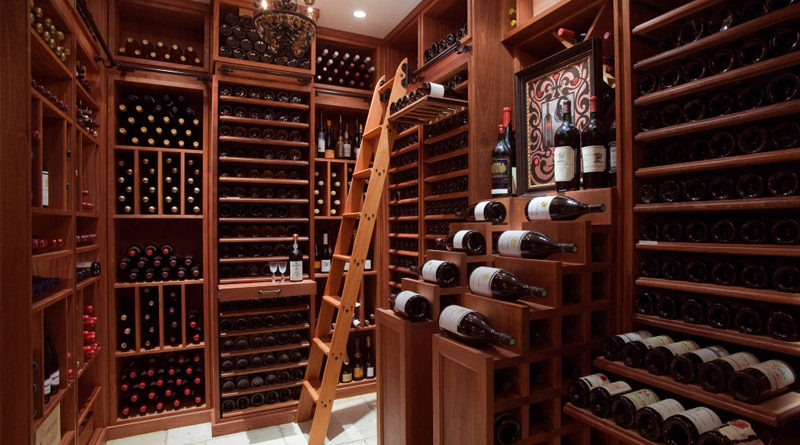
How to protect wine long-term in a modern wine cellar?
The difference between a room that merely stores wine and a purpose-built wine cellar that matures it for decades comes down to precision engineering. For developers, architects, and private homeowners managing significant collections, a cellar isn’t a passive space—it’s an active preservation environment. While wine racking kits offer a quick fix, they rarely meet the stringent demands of genuine long-term aging. Understanding the non-negotiable design features is the first step toward protecting your investment.
1. Environmental Stability: The Core of a True Cellar
A modern wine cellar must function as a sealed, insulated ecosystem. The most critical feature isn’t visible—it’s the climate envelope.
Precision Cooling and Humidity Systems
Standard wine coolers refrigerators are designed for short-term serving, often introducing vibration and temperature swings that fatigue wine over time. For a custom wine cellar, a properly sized, ducted wine cellar cooling unit is mandatory. These systems maintain a stable 55–58°F (13–14°C) and 55–70% humidity, preventing cork desiccation and premature oxidation. Penetrations must be minimal, with vapor barriers correctly installed to avoid mold or thermal bridging. This level of integration is impossible with off-the-shelf wine cabinets, which are appliances, not architectural solutions.
Insulation and Vapor Barrier
An effective cellar requires R-19 to R-30 wall insulation and a continuous 6-mil vapor barrier on the warm side of the structure. Exterior-grade doors with thermal seals are equally vital. These elements ensure the cooling system operates efficiently and condensation never compromises your labels or racking.
2. Racking: Custom Configuration Over Generic Kits
For serious collectors, wine storage is not one-size-fits-all. A custom racking design addresses the unique dimensions of your space and the diversity of your collection.
Modular and Bespoke Storage Types
While modular wine rack systems offer flexibility, true bespoke joinery maximizes bottle capacity in irregular footprints. A high-end cellar should incorporate multiple display and storage modes: single-bottle deep storage for undisturbed aging, horizontal display rows for prestige labels, and angled wine shelf displays to showcase bottles without removing the cork’s contact with the wine. In a classic wine cellar, solid mahogany bins with individual cradles prevent vibration transfer, whereas a wall mounted wine rack in a tasting lounge might serve more decorative, high-turnover bottles.
Material Integrity and Label Preservation
You will never find cheap pine or chemically treated plywood in a preservation-grade cellar. Materials must be inert and non-off-gassing. Premium wooden wine rack construction in solid oak, walnut, or mahogany provides smooth, rounded cradles that protect fragile labels during sliding. Metals should be powder-coated steel or aluminum. This is a critical distinction from generic metal wine rack products that may corrode in high-humidity conditions, risking structural integrity and bottle safety.
3. Advanced Lighting and Vibration Mitigation
Light and vibration are the silent enemies of long-term wine storage.
UV-Free LED Design
A residential or commercial cellar cannot use standard incandescent or halogen lighting. All lighting must be low-heat, UV-free LED, ideally on motion sensors or timers to limit photon exposure. Integrated shelf lighting in a modern wine cabinet style display should illuminate the glass, not the label, to prevent light-strike degradation. A modern wine cellar uses lighting strategically to create atmosphere without sacrificing wine protection.
Structural Vibration Isolation
The mechanical hum from a cooling unit, nearby HVAC equipment, or heavy footfall can transmit through racking and disturb sediment, accelerating chemical reactions you don’t want. Premium custom designs isolate racking from walls and floors using acoustic pads, and all cooling lines include vibration-dampening loops. When choosing racking, solid-wood configurations generally offer better natural damping than thin metal structures.
4. Design Choices That Define Luxury and Function
A truly exceptional cellar balances preservation science with architectural beauty.
Custom Display Features
For high-end residential projects and commercial wine cellar installations, bespoke display elements create a destination experience. Curved wine cellar layouts with arched barrel vaults and custom tasting tables position the cellar as a hospitality space, not just a storage room. Under stair wine cellar designs transform dead space into stunning glass-enclosed wine walls, often incorporating wall hung wine rack systems with backlit panels to make every bottle visible. A wine cabinet wall mounted arrangement can even bring a curated selection into a dining room while keeping the main collection safely protected in the cellar proper.
Glass Enclosures and Access
Full-height, double-pane, low-E glass walls are increasingly popular for showcasing a home wine cellar without sacrificing thermal integrity. However, specifiers must account for the added cooling load glass introduces. This isn’t a standard glazing specification—it requires collaboration between the architect and the cooling system designer to ensure the glass stays free of internal condensation during summer humidity.
5. Commercial and Scalable Considerations
For restaurants and hospitality venues, a wine cellar also functions as a high-revenue inventory system. Custom racking must seamlessly integrate high-density case storage—often in underground wine cellar or basement settings—with accessible retail-style displays. This demands a hybrid approach: sturdy wine storage racks in back-of-house areas for bin storage, complemented by elegant wall mounted wine bottle rack displays in front-of-house. A comprehensive wine storage cabinet with lockable sections may also be integrated for rare vintages.
The decision between a custom-built cellar and a kit is a decision about the long-term trajectory of your wine. Kits and standalone wine coolers refrigerators serve a purpose for immediate consumption. But if you’re cellaring wines for ten, twenty, or thirty years, the cellar must be an engineered environment. It needs to manage thermodynamics, light spectrums, and structural loads in a way that flat-packed racks cannot. For developers and property owners, a professionally designed cellar from a specialist like Ciematic represents a significant architectural asset—one that preserves both the liquid asset inside and the property value of the home itself. To explore how a fully custom cellar for wine can be integrated into your next project, contact our design team to discuss your specifications.